Second training of community workers under Jagruti II
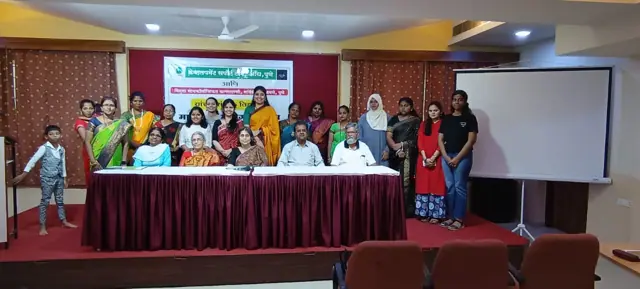
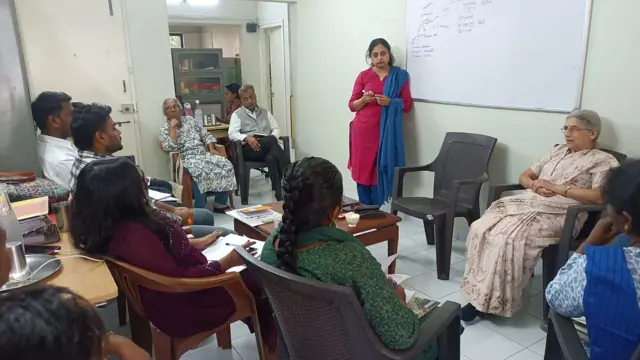
A two-day training for community workers at the DST office, Aundh, on 5–6 June 2026, including feedback on the summer camps.
Trainings, camps, workshops and relief work — as they happen.
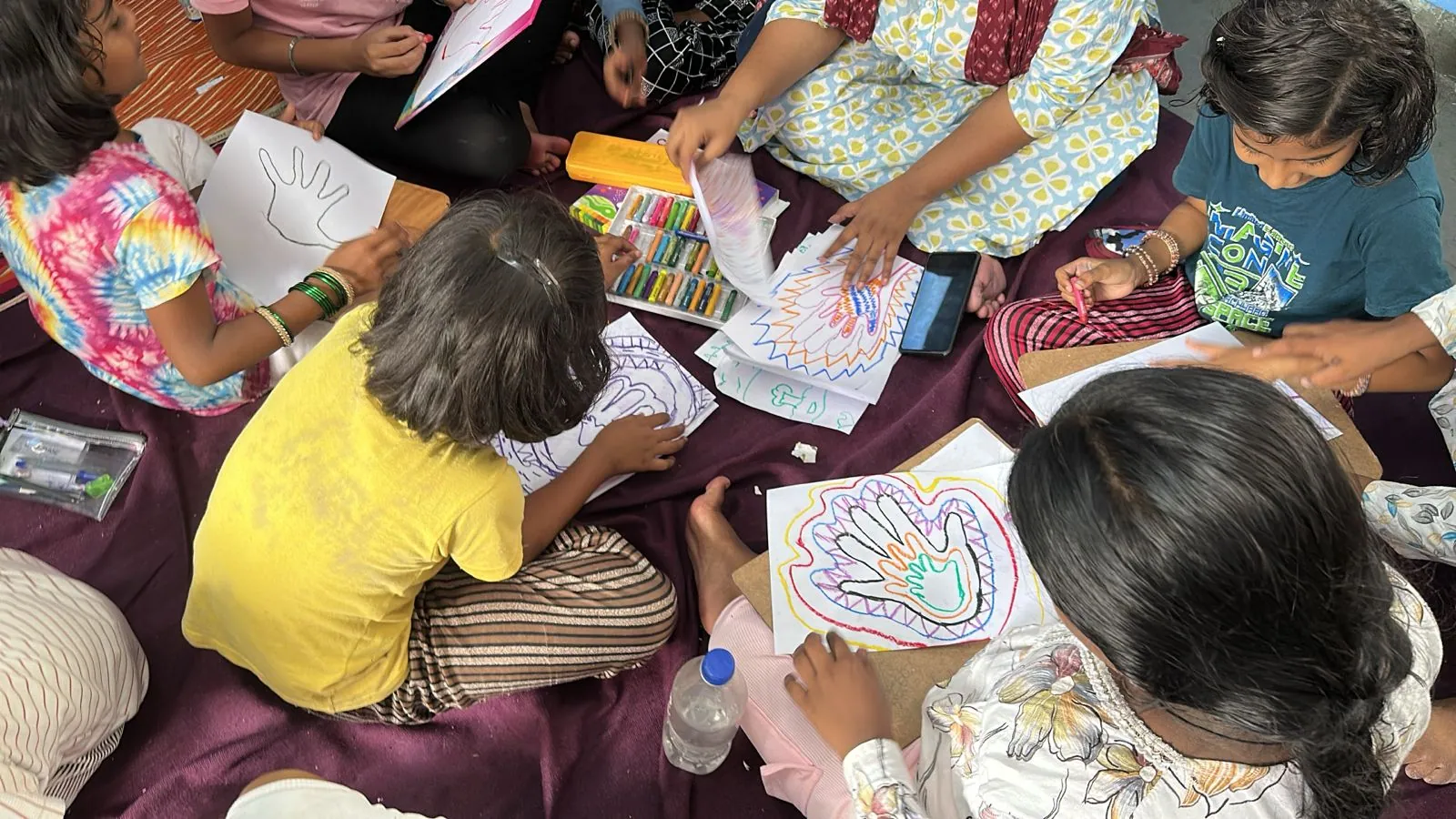
A two-day training for community workers at the DST office, Aundh, on 5–6 June 2026, including feedback on the summer camps.
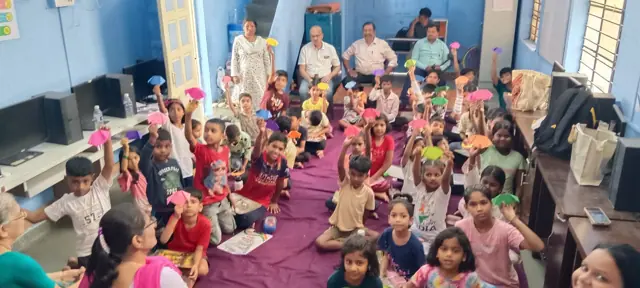
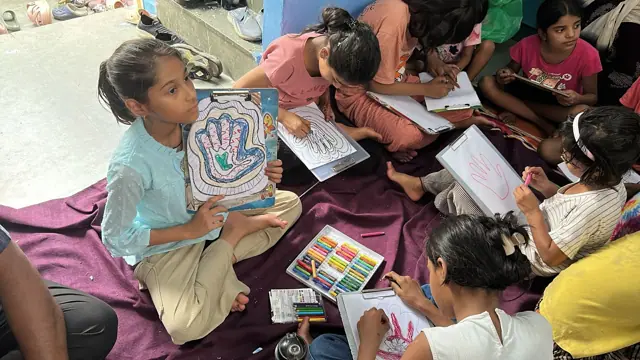
Two summer camps for children aged 8–14 in Juni Sangvi and Dapodi, Pune, to help them stay away from mobile addiction — 13–15 and 20–22 May 2026.
A three-day summer camp for children aged 8–14 under the Mental Health – Jagruti II project, 13–15 May 2026.
A two-day training on 8–9 April 2026 for community workers who run sessions with children and adolescents in Dapodi and Juni Sangvi.
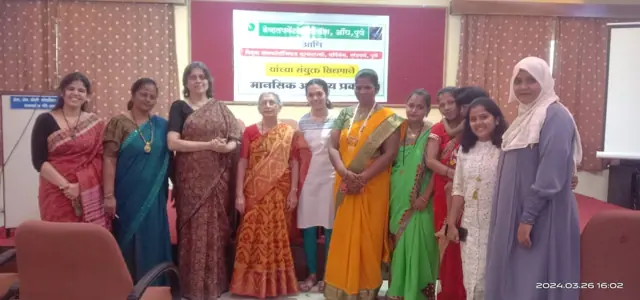
Development Support Team organised an orientation cum capacity building programme on mental health on 11–12 February at DST’s office, Anand Park, Aundh, Pune.
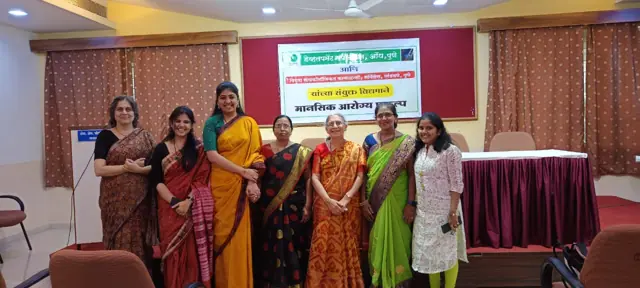
44 participants from urban communities of Pune attended a half-day awareness programme at S.M. Joshi Hall on 21 November 2025.
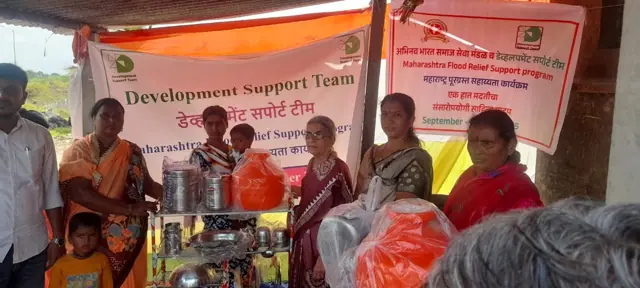
After the 2025 floods, DST assessed the situation and organised relief in four of the most impacted blocks of Solapur and Dharashiv districts.
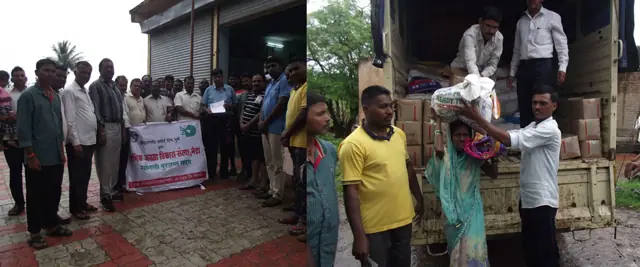
On 8 October 2025, household relief material was distributed to 21 Pardhi families at Salse under DST’s flood relief programme.
15 varieties of nutritious traditional seeds for 20 smallholder and single women farmers in Vanichinchale, Sangola taluka, on 31 March 2025.
15 varieties of traditional seeds for 20 farmers in Salse village, Karmala taluka, on 31 March 2025.
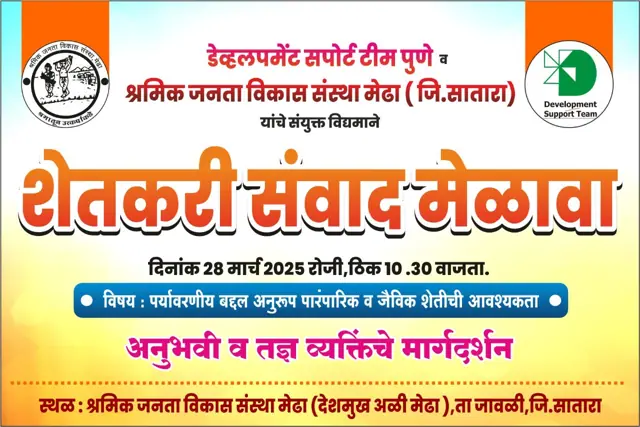
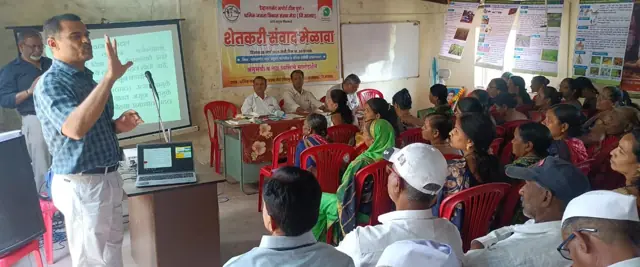
A workshop on the need for traditional and organic farming adapted to environmental change, held with Shramik Janata Vikas Sanstha at Medha on 28 March 2025.
A TV news segment featuring Development Support Team.
Development Support Team (www.dstpune.org)
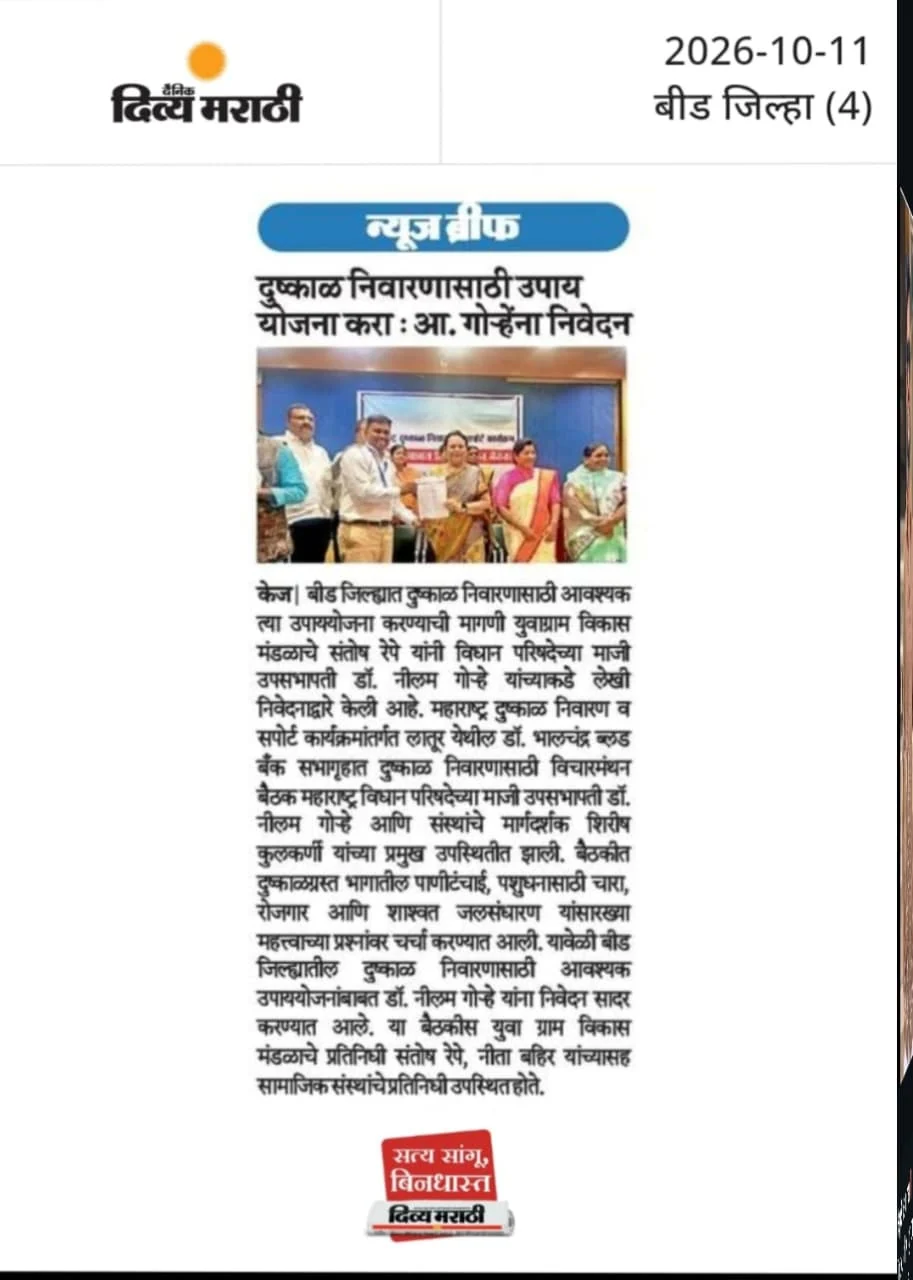
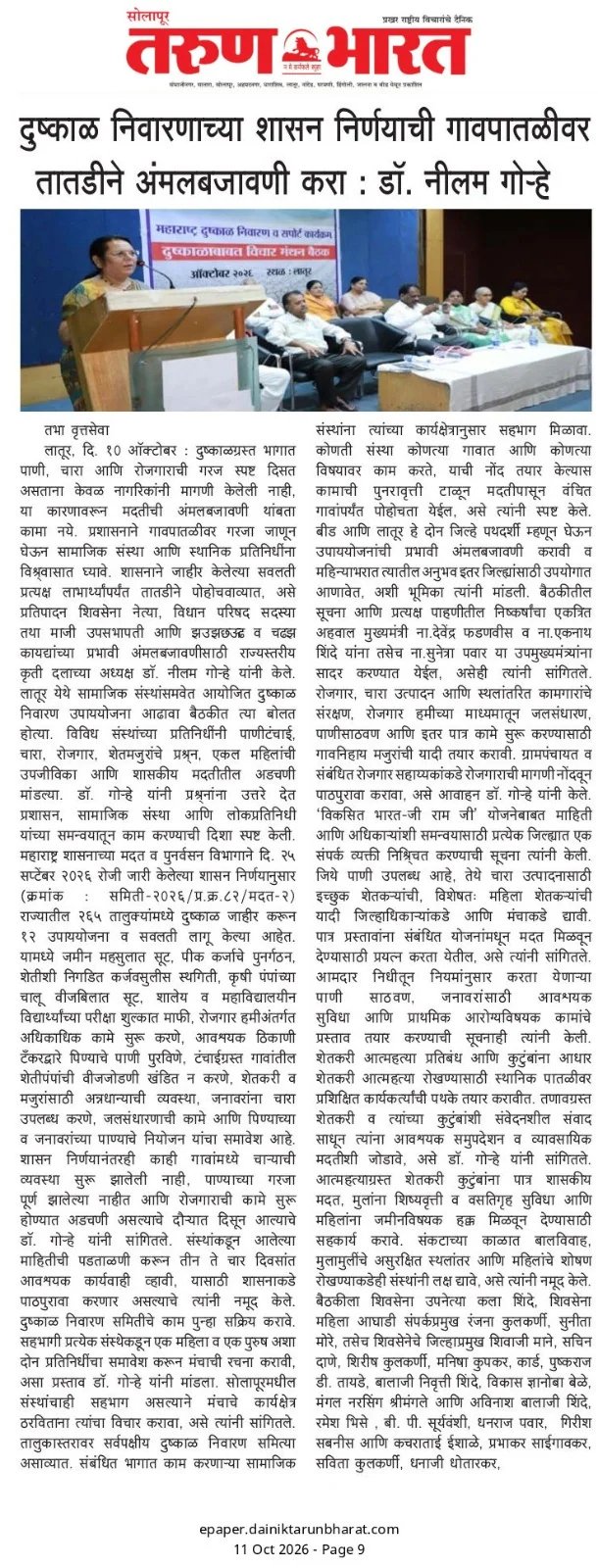
Requesting support to undertake drought relief and long-term mitigation measures in drought hit Dharashiv and Satara districts
Background: After experiencing 2012 - 2016 severe drought conditions, the state of Maharashtra is suffering from yet another spell of severe drought caused due to Al – Nino effect or climate change caused due to global warming. The drought this year is one of the worst metrological conditions for the people posing many challenges before government and NGOs in the process of arranging relief and other measures. Large parts of Maharashtra fall under semi-arid zone which routinely experience uncertain rainfall and often droughts like conditions. By one estimate, every third year is a drought year for Marathwada, parts of Vidarbha and western Maharashtra which has become an agro-climatic feature / characteristic of these geographies. This situation makes Maharashtra’s large areas highly vulnerable to drought conditions and this year’s drought is yet another such condition for people particularly in these topographies. However, this year the drought situation is very harsh due to fact that an average rainfall in central and south east Maharashtra is not even 100 mm causing severe damage to monsoon crops and natural percolation and conservation processes. The conditions have thus led to drying up of ground and surface water resources, shortage of fodder for cattle and uncertainties for winter (Rabbi) crop predicting huge losses. When people compare the current drought situation with 1971-72 severe drought that had hit entire India very harshly, then there was shortage of food grain but did not have much water scarcity. This year water shortage is very dreadful and posing a serious challenge before government even to meet basic needs of large section of people and cattle.
State Government’s Drought Response 2026: Responding to the emerging drought conditions, Maharashtra government immediately declared 305 talukas as most affected through a notification (14th October Notification). It was also prompt in announcing short term and long - term actions to deal with emerging drought situation. It announced 12 Measures on 25th September through a state notification focusing on drinking water supply, arrangements for drinking water and fodder for cattle, use of G – Ram – G scheme for various soil and water conservation and other development activities, compensation for lost crops, relief for electricity bills for farmers, waiving of school/college fees for students, timely ration for landless labours, measures for long term drought mitigation especially water conservation resources, etc. In addition to these measures, state also announced DBT of Rs. 5000 to affected families. Financial assistance has also been sought from central government as state alone can - not deal with situation given the scale of the drought. This situation also demands close coordination between state administration and NGOs to provide relief and the long - term mitigation measures.
Our Experience: Development Support Team (DST) has worked on various natural calamities in general and its Chairperson Shri Shirish Kulkarni was founder of a leading NGOs network namely ‘Maharashtra Drought Relief and Support Programme which worked on drought relief, livelihood promotion and mobilization of then government relief measures during 2012-16 severe drought experienced by Maharashtra state. Given the harsh drought conditions today, in Jawali block of Satara district and Tuljapur block of Dharashiv district in the state, where DST already have climate resilient agriculture and nutrition development programmes through active involvement of women, has decided to undertake relief and long-term mitigation measures such water conservation works for farming community here to save their livelihood means. This is also necessary to restrict losses to ongoing development programmes in our operational areas.
DST would like to request International Donors, Indian CSRs and individual donors to graciously extend their generous support to our organization to help undertake relief measures such as supply of drinking water, fodder and water for cattle, mobilization of government relief measures for communities and long-term mitigation measures such as soil and water conservation activities. More details of relief plans will be shared on inquiry.
DST is registered under 80G and 12 A provisions of income tax act 1961 and donations to the organization are exempted from income tax as per the prevailing rules.
For details please visit our website www.dstpune.org. Please write to us at developmentst@gmail.com or call at office phone numbers + 91 020 25887524, M: 9422318795.